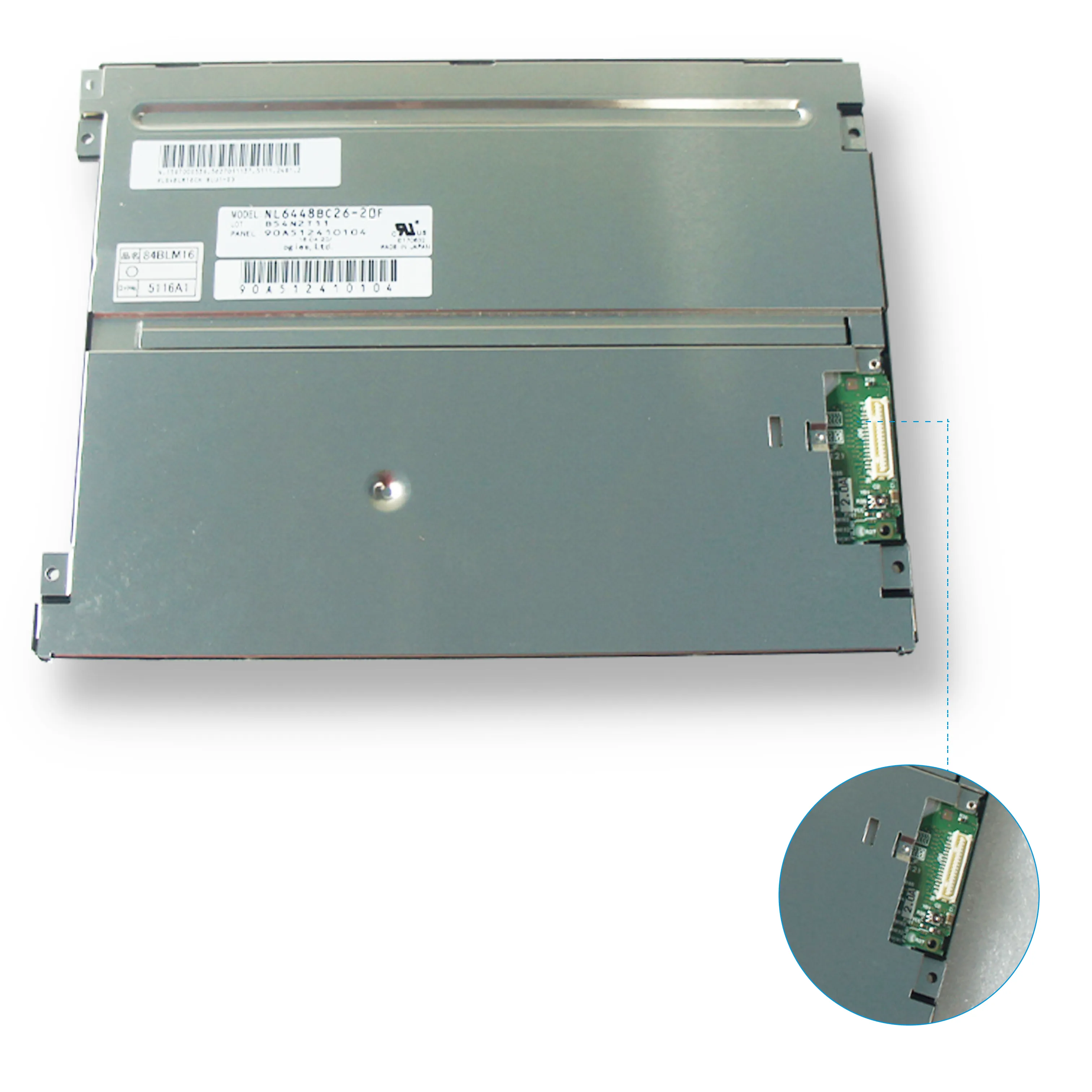
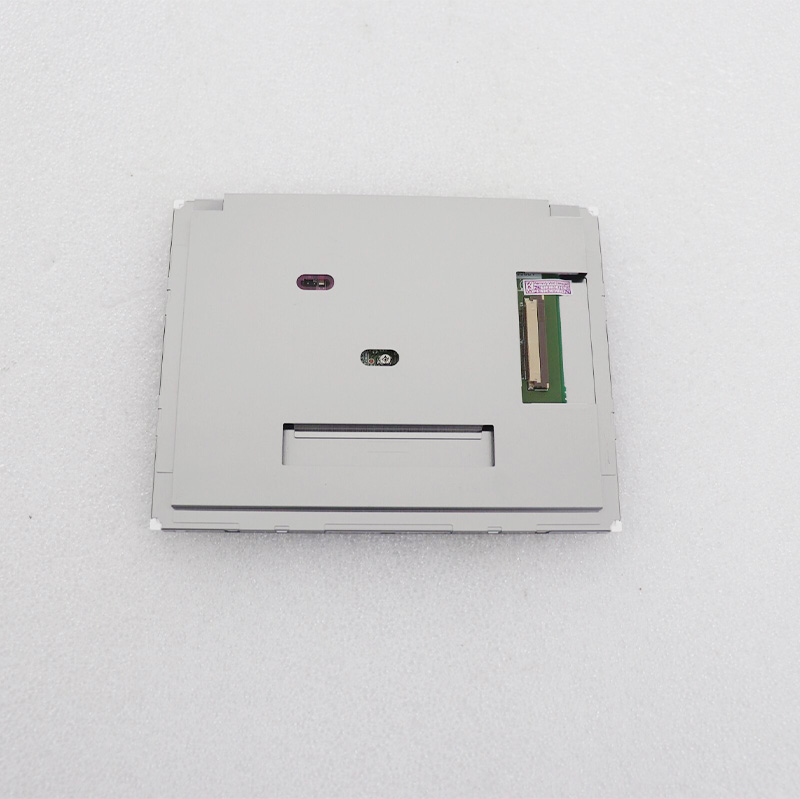
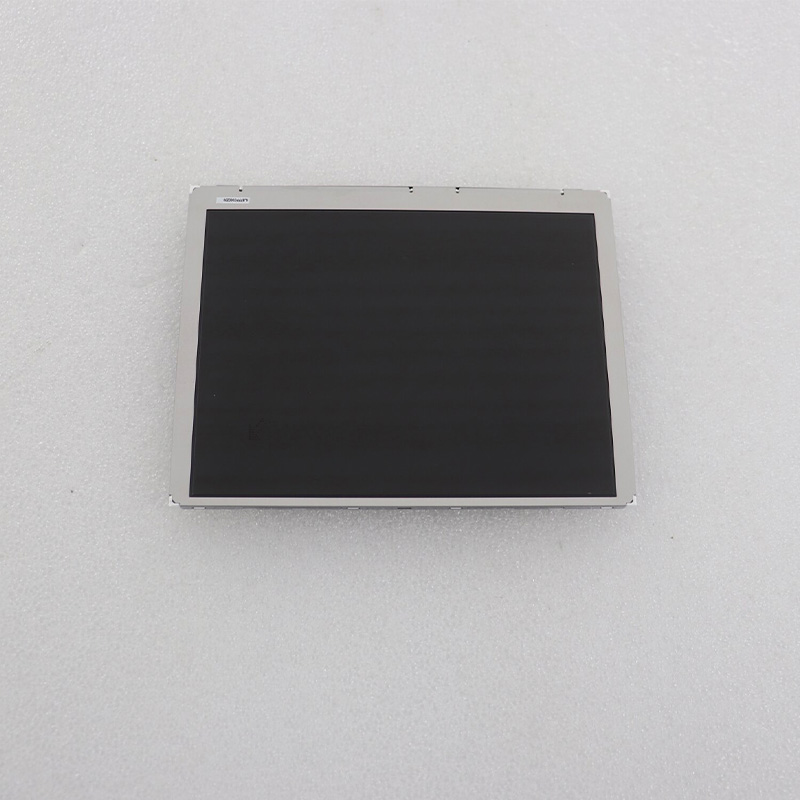
COM57T5M94ZSC 5.7inch 640*480 LCD PANEL DISPLAY
In the intricate world of electronic components, where specifications often blur into a sea of alphanumeric codes, the COM57T5M94ZSC 5.7-inch LCD panel emerges as a distinct and compelling solution for embedded system designers. This display, characterized by its 640x480 pixel resolution (VGA) and compact 5.7-inch diagonal size, represents a specific intersection of clarity, compatibility, and physical practicality. Far from being just another part number, it encapsulates a set of engineering choices tailored for industrial, medical, and instrumentation applications where reliability and legacy support are paramount.
This article delves deep into the COM57T5M94ZSC, moving beyond its basic datasheet to explore its technological significance, ideal use cases, and integration nuances. We will unpack the advantages and considerations of its resistive touch technology, its interface ecosystem, and the environmental robustness it offers. By understanding the "why" behind its specifications, engineers and procurement specialists can make informed decisions on whether this panel is the optimal visual interface for their next critical project. Decoding the Specification: More Than Just Numbers
The model name COM57T5M94ZSC itself is a data-rich identifier. The "5.7inch" denotes the screen diagonal, a size that offers a substantial viewing area without demanding excessive panel space. The 640*480 resolution, known as VGA, is a cornerstone of its design. This 4:3 aspect ratio is not a limitation but a strategic choice, providing perfect compatibility with a vast universe of legacy systems and microcontroller platforms that natively output this standard signal. This resolution delivers a pixel pitch that balances information density with readability, avoiding the need for excessive scaling that can blur interfaces. The panel typically utilizes a Transmissive TFT LCD technology, requiring a backlight for visibility. The "ZSC" suffix often points to specific revision or connector details, emphasizing the need to consult the manufacturer's precise datasheet for mechanical drawings, pinouts, and electrical characteristics to ensure proper integration.
The Strategic Advantage of the 4:3 VGA Format
In an era dominated by widescreens, the persistence of the 4:3 VGA format is a testament to its enduring utility in specialized fields. The COM57T5M94ZSC leverages this format for several critical advantages. Firstly, vertical space efficiency is superior; for displaying lists, data logs, control parameters, or schematic diagrams, the taller screen provides more lines of information without scrolling compared to a widescreen of the same diagonal. Secondly, it eliminates signal conversion overhead. Many industrial PCs, single-board computers, and embedded controllers have native VGA or RGB outputs. Using this panel directly avoids the cost, complexity, and potential latency of adding an LVDS or HDMI converter board. This simplicity translates directly into enhanced system reliability and lower Bill of Materials (BOM) cost, which is crucial in volume production.
Interface and Integration: Connecting the Display
Integration is where theory meets practice. The COM57T5M94ZSC typically features a standard RGB 24-bit parallel interface. This interface, while requiring more pins than serialized protocols like LVDS, offers direct, low-latency control and is well-supported by numerous display controllers and driver ICs (e.g., Solomon Systech SSD1961, Ilitek ITDB02 modules). It allows for precise timing control, which is essential for stable image rendering. Most variants come with an integrated resistive touch overlay, accessed via a separate 4-wire or 5-wire analog interface. This technology, while different from modern capacitive touch, is ideal for environments where operators may wear gloves or require a stylus for precise input. Successful integration requires careful PCB layout for the high-speed parallel signals, stable power supply design, and firmware that includes calibrated touch drivers and a graphical library for rendering the user interface.
Resistive Touch: A Purposeful Choice for Harsh Environments
The inclusion of a resistive touch screen is a defining feature of this panel class. Unlike capacitive touch, resistive technology responds to pressure. This makes it completely agnostic to the input tool—whether it's a bare finger, a gloved hand, a stylus, or even a non-conductive object. This is invaluable in medical, industrial, and outdoor settings where operational conditions are a primary concern.
While it may not support multi-touch gestures and has a slightly softer top surface more prone to scratches (often mitigated by a hard coating), its functional advantages are clear. It is less susceptible to false triggers from liquid spills or dust. For applications like factory machine HMI, patient monitoring systems, or field test equipment, where reliability and certainty of input are critical, resistive touch remains a robust and cost-effective solution.
Application Landscapes: Where This Panel Excels
The COM57T5M94ZSC finds its home in applications where durability, clarity, and compatibility trump the need for ultra-high resolution or sleek form factors. In industrial automation, it serves as the face of PLCs, CNC controllers, and test bench equipment, displaying complex control panels and real-time data. The medical device field utilizes it in portable diagnostic instruments, patient monitors, and laboratory equipment, where the VGA standard ensures easy integration with embedded medical PCs. Furthermore, it appears in transportation and aviation for in-cabin control systems, and in point-of-sale/kiosk terminals where its resistive touch allows for signature capture. Its operating temperature range, often extended for industrial grades, ensures functionality in non-climate-controlled environments.
Evaluation and Sourcing Considerations
Before committing to the COM57T5M94ZSC for a project, several practical factors must be evaluated. Long-term availability is key for products with multi-year lifecycles; sourcing from reputable distributors or considering compatible alternative panel models is prudent. Engineers must verify the mechanical footprint, including mounting hole positions and bezel dimensions, against their enclosure design. Assessing the backlight type (usually LED) and its expected lifetime is crucial, as backlight failure is a common point of display end-of-life. Finally, consider the total cost of integration: the panel itself, the necessary controller board (if not integrated into the main PCB), and the development time for drivers and GUI. Often, purchasing an evaluation kit with a ready-to-drive controller board is the fastest path to prototyping.
FAQs
Q: What does "COM57T5M94ZSC" stand for?A: It's a model number indicating a 5.7-inch TFT LCD panel with 640x480 (VGA) resolution, typically including a resistive touch screen. The suffix denotes specific version/interface details.
Q: Is this display compatible with Raspberry Pi or Arduino?A: Not directly. It requires a parallel RGB interface. For Raspberry Pi, an additional RGB to HDMI converter board is needed. For Arduino, a dedicated TFT shield with a driver chip like the SSD1961 is required.
Q: Why choose 640x480 VGA over higher resolutions?A> For legacy system compatibility, lower processor/graphics load, simpler interface (parallel RGB), and often lower cost. The 4:3 aspect ratio is also more efficient for many control and data applications.
Q: What are the main drawbacks of resistive touch?A: It does not support multi-touch, has lower optical clarity due to layers, and the surface is more susceptible to scratching compared to glass-based capacitive touch.
Q: Can it be used outdoors?A> Standard versions have limited outdoor visibility due to reflective transmissive design. For sunlight readability, a high-brightness backlight (e.g., 1000 nits) and possibly a transflective panel variant are necessary.
Q: What is the typical interface for the LCD?A> A parallel RGB interface (e.g., 24-bit 8080-series or 6800-series) is standard. This includes data lines (R, G, B), horizontal/vertical sync, clock, and enable signals.
Q: How is the touch screen interface connected?A> The resistive touch overlay uses a separate 4-wire or 5-wire analog interface (X+, X-, Y+, Y-), connected to an ADC or dedicated touch controller on the host board.
Q: What is the expected lifespan of this panel?A> Lifespan is heavily dependent on the backlight's LED lifetime, often rated between 30,000 to 50,000 hours. Proper thermal management can extend this.
Q: Are there direct drop-in replacements for this panel?A> Many manufacturers produce 5.7-inch 640x480 panels, but careful cross-referencing of pinouts, mechanical dimensions, and electrical timing is essential for compatibility.
Q: What's the first step to prototyping with this display?A> Acquire an evaluation kit that includes the panel, a driver board, and necessary cables. This allows you to test functionality and develop software before designing custom hardware.
Conclusion
The COM57T5M94ZSC 5.7-inch LCD panel is far more than a commodity component. It is a purpose-built solution that embodies a specific set of engineering trade-offs: favoring robust compatibility, reliable input methods, and physical practicality over the cutting edge of resolution or aspect ratio. Its strength lies in its seamless integration into systems where functionality, longevity, and cost-effectiveness are the primary drivers. For designers working in industrial, medical, or instrumentation fields, understanding this panel's capabilities and context is crucial. It serves as a reminder that in embedded design, the "best" technology is not always the newest, but the one that most reliably and efficiently solves the problem at hand within the given constraints. By carefully evaluating its specifications against project requirements, engineers can leverage this mature and proven display technology to build interfaces that are not only clear and responsive but also enduringly dependable.